Asbestos Testing Services in Corpus Christi, Texas

Contact Us
Worried about hidden asbestos in your home or business? That nagging doubt is justified. Many properties, especially those built before the 1980s, contain asbestos-laden materials that, if disturbed, can release dangerous fibers. You need fast, reliable testing to confirm its presence and understand the risk, not more uncertainty.
What We Cover:
- Asbestos Removal
- Mold Testing
- Residential Asbestos Inspections
- Commercial Asbestos Assessments
- Accurate Sample Collection
- Certified Lab Analysis
- Clear Risk Reporting
Why Choose Us
Choosing the right team for asbestos testing in Corpus Christi, Texas, is crucial. We bring unparalleled expertise and a deep understanding of local building histories, particularly those structures near the historic Bluff or older neighborhoods like the Bay Area. Our certified inspectors use non-invasive methods whenever possible, ensuring minimal disruption while accurately identifying potential asbestos-containing materials (ACMs). We prioritize your safety and peace of mind, delivering precise results you can trust, helping you make informed decisions for your property.
Our Asbestos Testing & Inspection Process
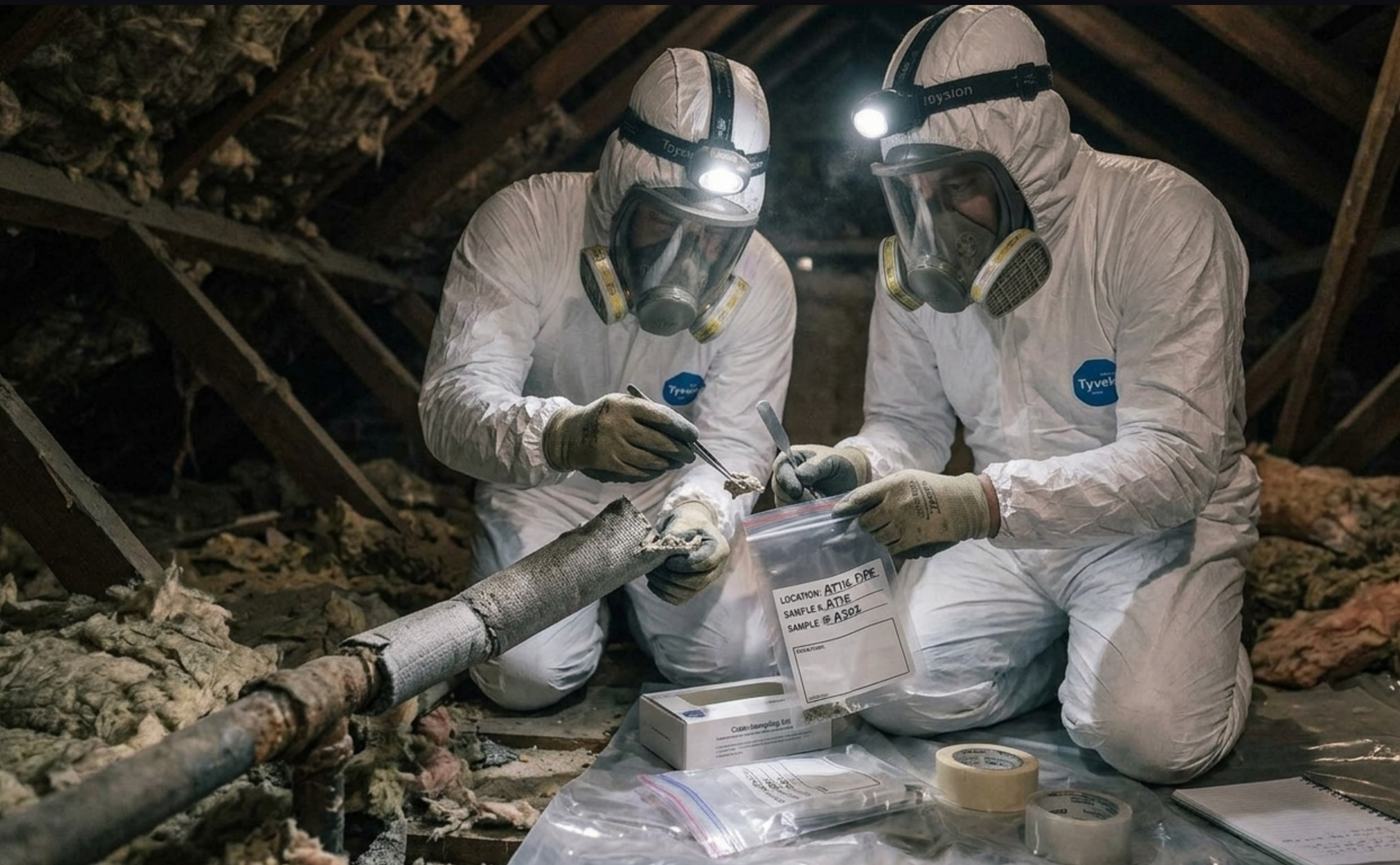
Our process is meticulous, designed for accuracy and your safety. It begins with a thorough visual inspection of your property to identify suspect materials. We'll then carefully collect samples of these materials – think floor tiles, insulation, textured ceilings – following strict containment protocols to prevent fiber release. These samples are sealed and sent to an independent, accredited laboratory for analysis. Once results are back, typically within a few business days, we'll provide a comprehensive report detailing any findings, potential risks, and next steps, all explained clearly. From start to finish, we're with you.
What Materials Commonly Contain Asbestos in Older Homes?
Asbestos was a popular additive in countless building products due to its strength and fire-resistant properties. If your home dates back before 1980, you might find it in surprising places. We're talking about insulation, floor tiles (especially vinyl or asphalt), ceiling tiles, roofing materials, siding, textured popcorn ceilings, pipe insulation, boiler wraps, and even some paints and joint compounds. Disturbing any of these materials during a renovation without prior testing can be extremely dangerous. Don't risk it; let us identify the threat.
When Should You Get Your Property Tested for Asbestos?
The short answer? Whenever you're planning renovations, repairs, or demolition in an older property. Even minor projects like drilling into a wall or removing old flooring can disturb asbestos-containing materials, releasing hazardous fibers into the air. Furthermore, if you notice any deteriorating materials that fit the description of common asbestos products, it's wise to get tested. Think about properties around the downtown area or older coastal homes; they're particularly susceptible. Early detection is key to preventing serious health risks for yourself and contractors. Protect your investment and your health.
Don't guess with asbestos! Get a professional inspection and testing. Call us for fast, reliable service!
Understanding Your Asbestos Testing Report
Once the lab results are in, you'll receive a detailed report. This isn't just a pass/fail document; it outlines specific materials tested, their locations, and whether asbestos was detected, along with its type and concentration. We'll walk you through every section, explaining what it means for your property and outlining safe management or removal options. Our goal is to empower you with clear, actionable information so you can make informed decisions about your property, whether it's a home in Flour Bluff or a business near the Texas State Aquarium.
Is Asbestos Always a Hazard if Present?
Not necessarily. Intact, undisturbed asbestos-containing materials (ACMs) in good condition often pose minimal risk. This is known as "non-friable" asbestos. The danger arises when these materials become "friable"—crumbled, pulverized, or disturbed—releasing microscopic fibers into the air. Activities like drilling, sawing, sanding, or demolition can make non-friable asbestos friable. That's why testing before any disturbance is crucial. If found, we can advise on safe encapsulation or abatement, ensuring your property remains safe from Padre Island to Port Aransas.